Secondary Education

Secondary Education
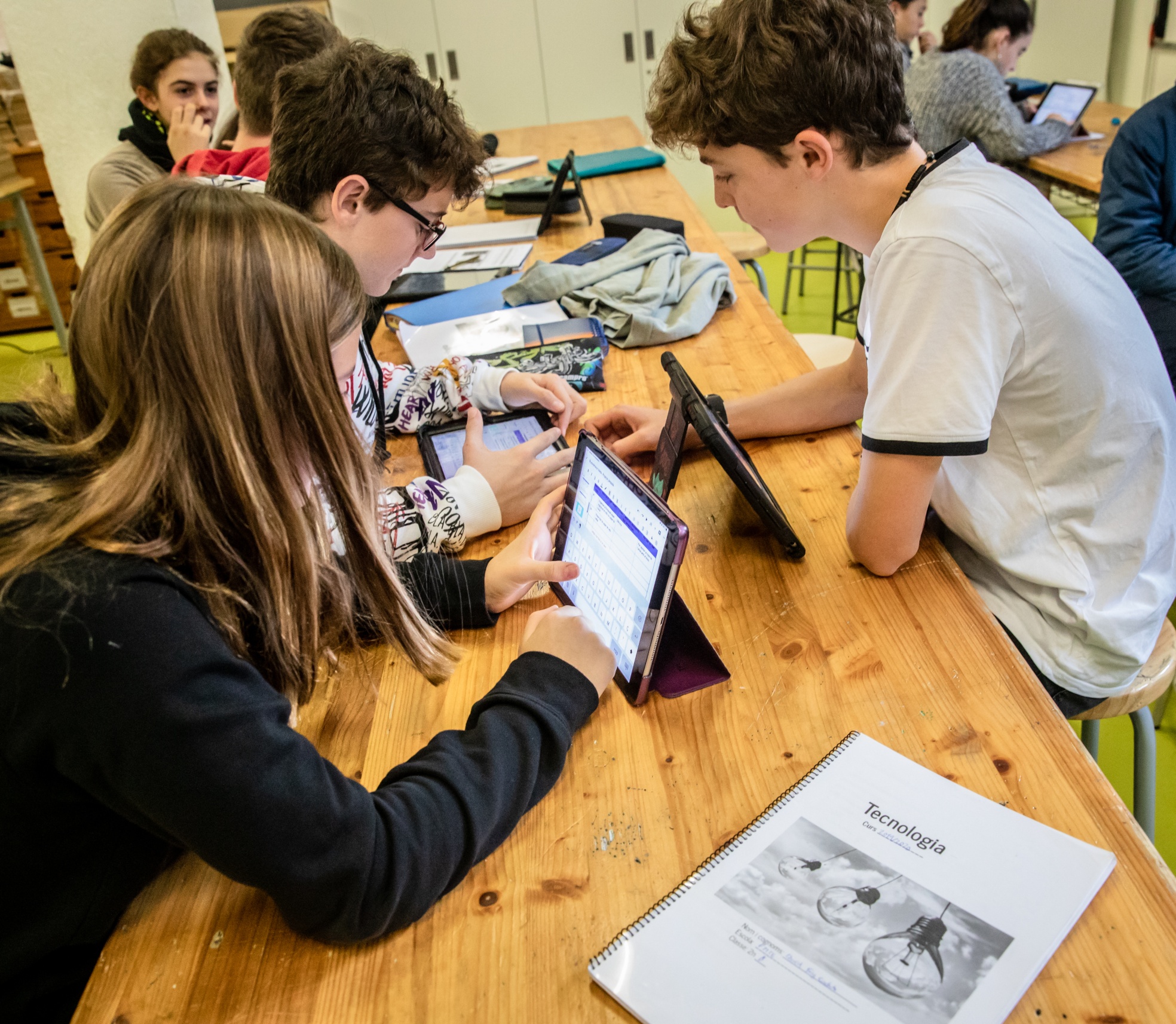
Secondary is the stage that closes compulsory education and marks the transition from childhood to adolescence. Throughout this stage, it is necessary to combine solid academic training and a progressive increase in the depth of work as the years go by, with accompaniment to resolve the more personal aspects of each student associated with entering adolescence in order to acquire the degree of maturity necessary to successfully complete this period.
International Projects
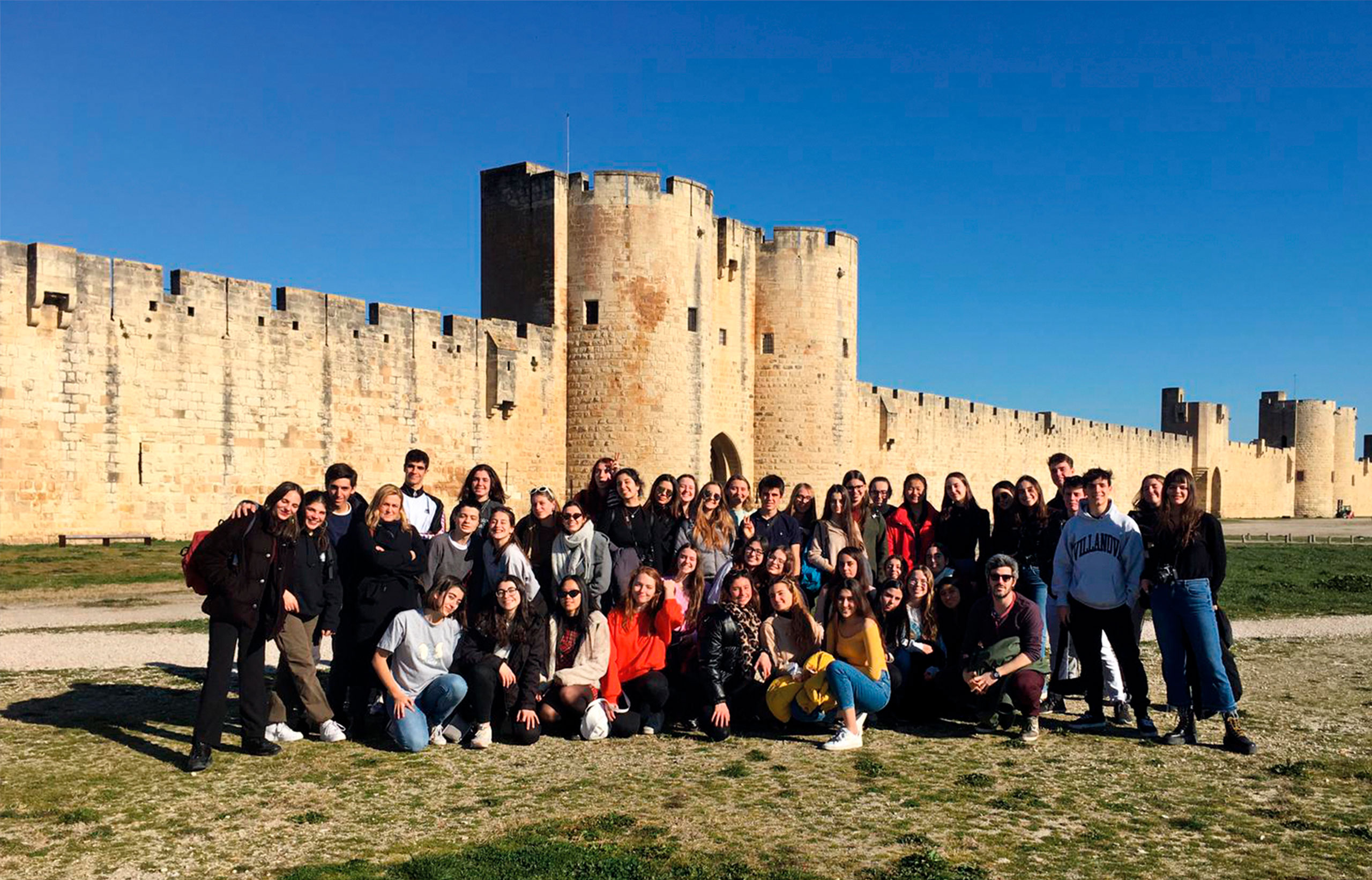
In Secondary, all the international projects started in Primary are extended.
The possibility of stays and exchanges in other countries (Germany, France, Austria, Canada, Ireland and Wales) is increased. Also offered, optionally, is the Dual Diploma in which they study, for 3 or 4 years, a total of 6 subjects of the American Baccalaureate of a North American High School and end up obtaining a double Baccalaureate qualification: the Spanish and the American.
Foreign languages
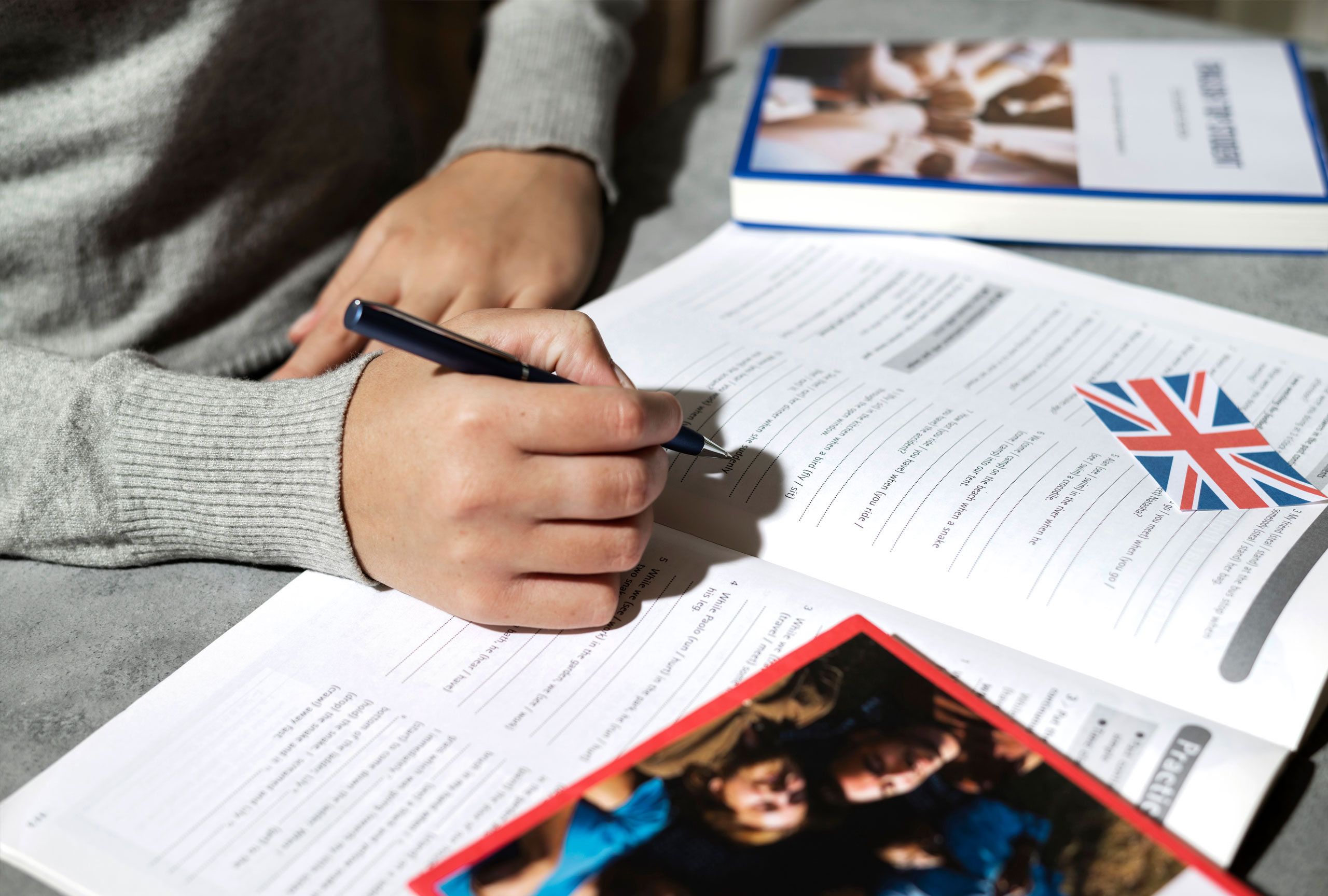
In Secondary, students continue to work in English and German or French as a second foreign language.
As a Cambridge school, our official curriculum prepares them to pass the official First Certificate or Advanced exams. They are also eligible to take the official DELF or Goethe Institute exams to obtain certificates in French or German. In addition, in each year of Secondary we work on a subject using English as instructional language.
Accompaniment and Guidance
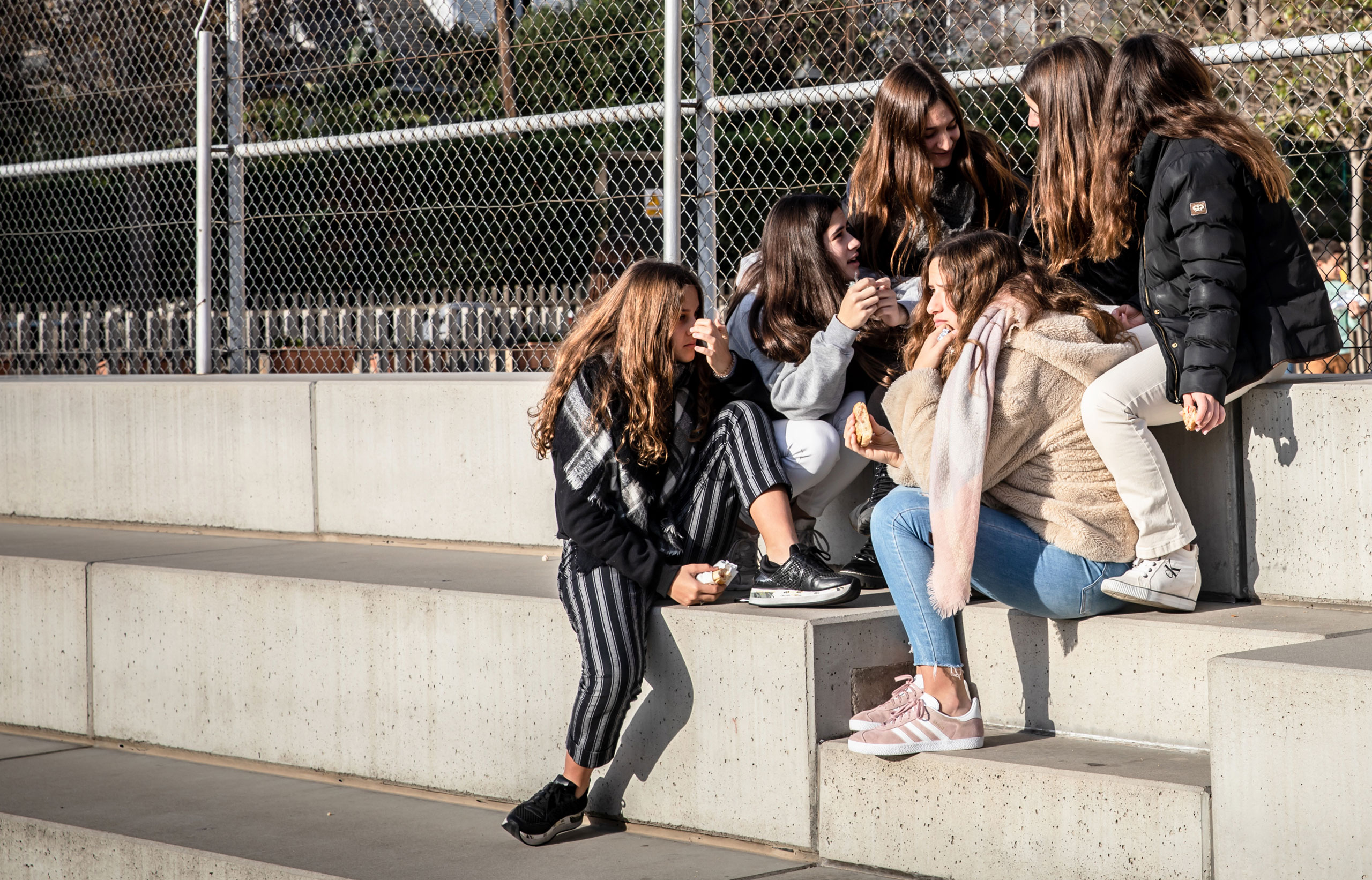
Good accompaniment is key for students to acquire the well-being and emotional balance that will allow them to develop well as individuals.
Through the figure of the tutor of the group (which in Secondary is maintained for 2 years), we establish – together with the family – the necessary space for accompaniment and communication. Focusing on the end of the stage, we work on self-knowledge and the development of identity in order to provide the necessary support and tools to enable them to make a decision in good conditions.
Coexistence
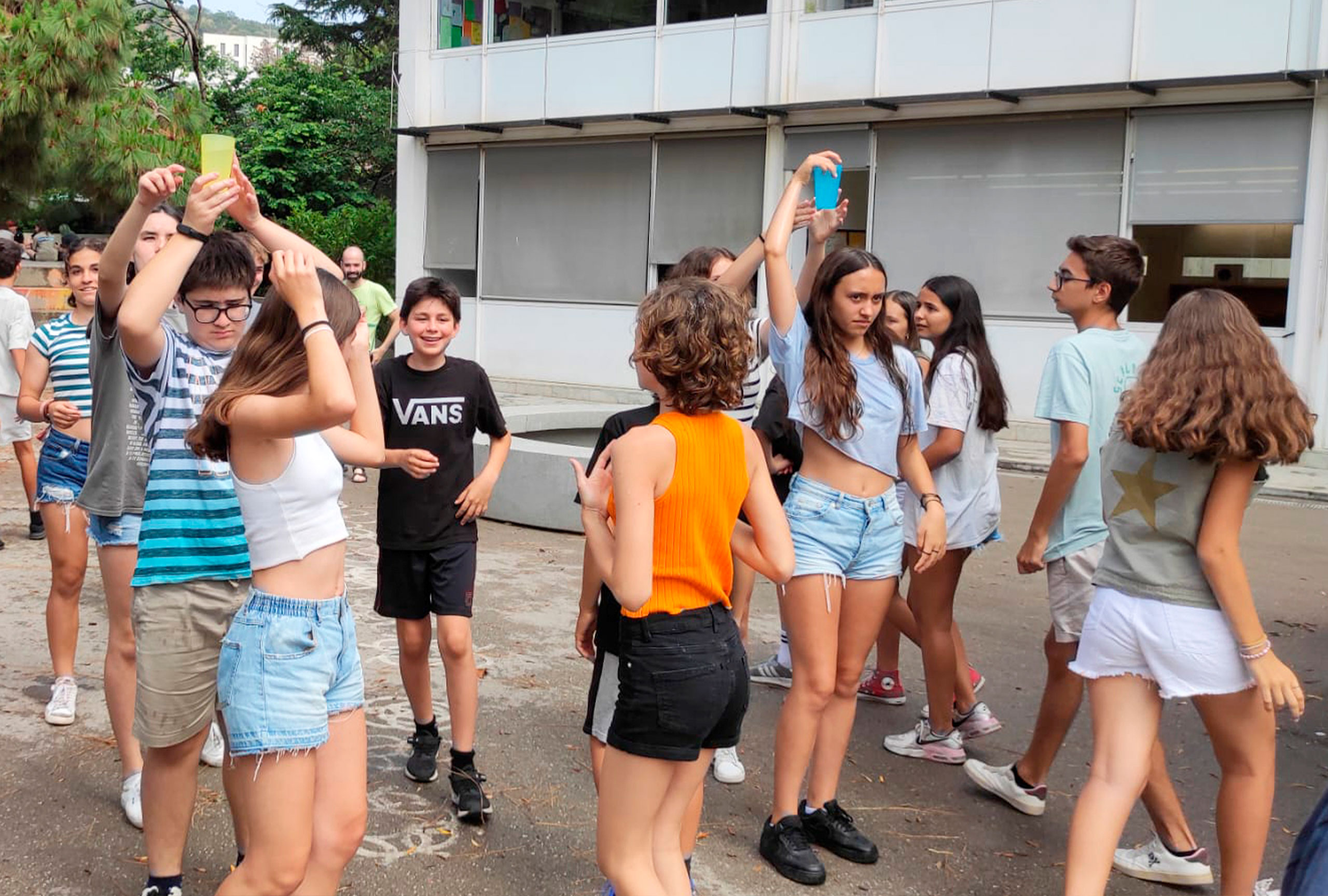
We work on coexistence in all areas and at all times of the stage. We understand and approach diversity as an enriching and unifying element, we reinforce inclusive life and we work as a team to ensure respect and promote the natural diversity of everyone.
In this sense, and in order to further interweave the actions, each group-class has the figure of the coexistence delegates who become the referents among equals and promote the prevention and/or resolution of conflicts.
Esp@i Logos
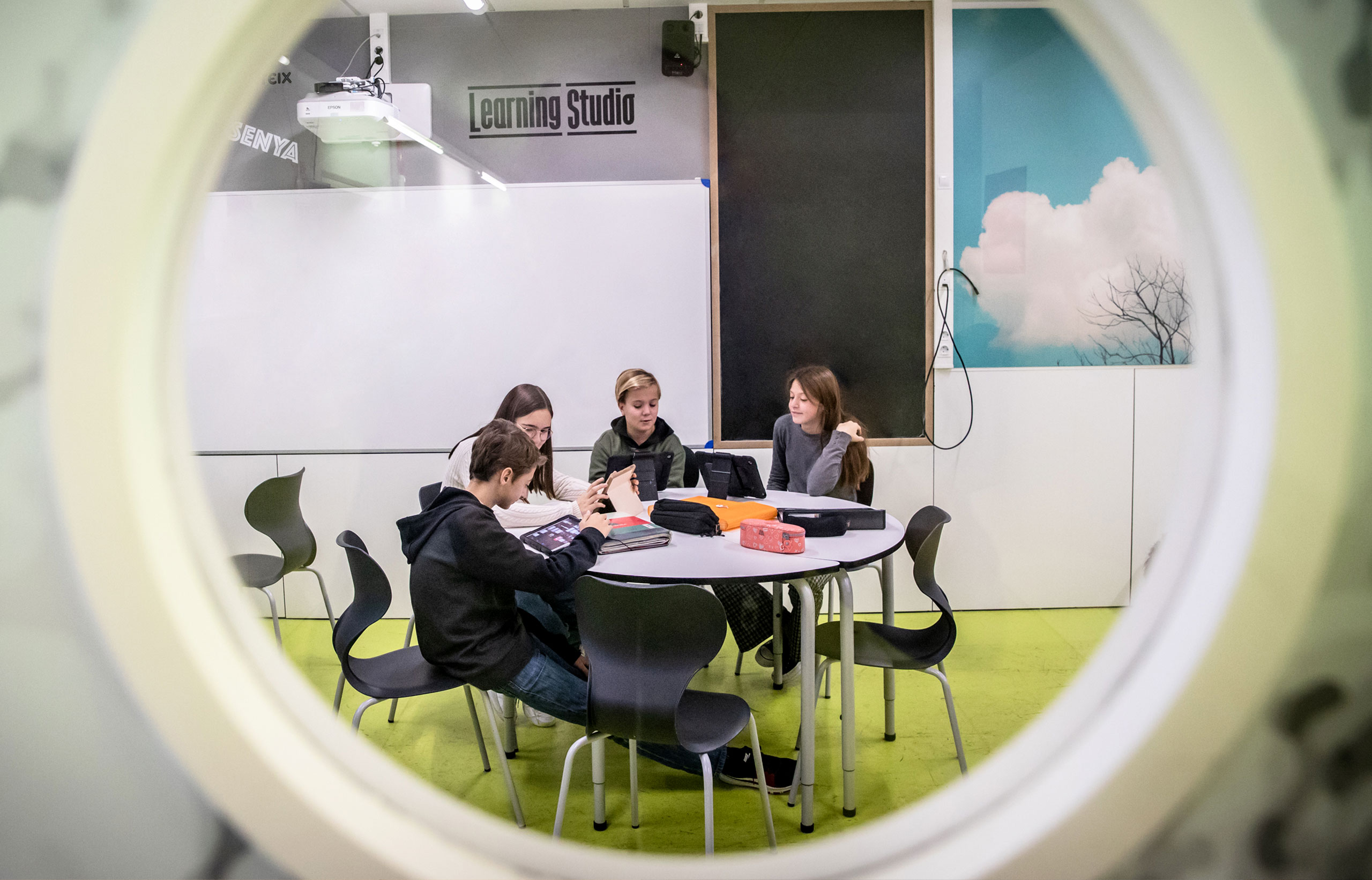
The main objective of Esp@i Logos is to prepare autonomous students, capable of mobilising learning in order to participate in society, effectively resolving the challenges that a constantly changing and increasingly globalised world will present them with in the future.
It combines different learning methodologies and contributes to the development of digital competences that involve the safe, healthy, sustainable, critical and responsible use of digital technologies.
Cross-disciplinary projects
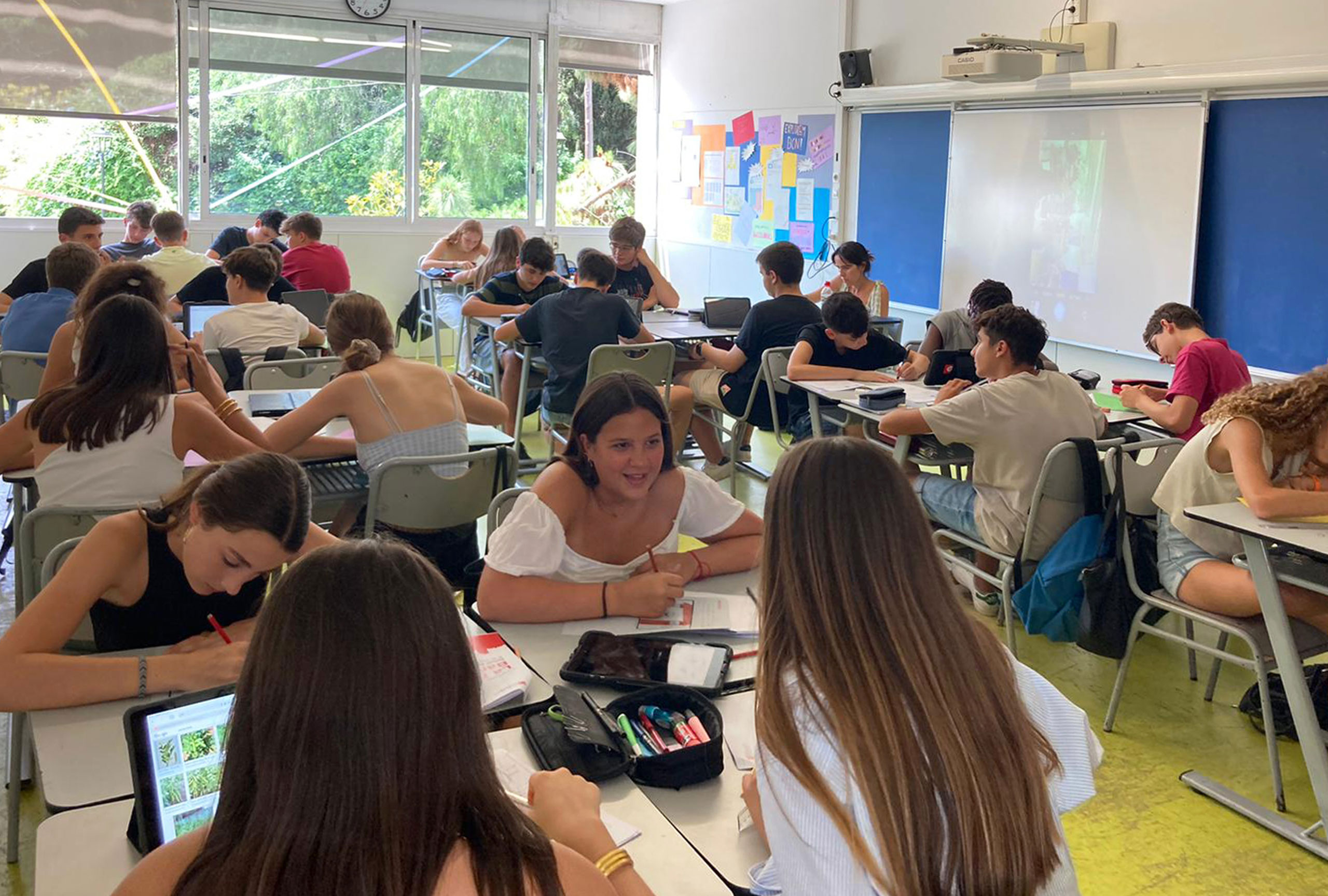
In addition to the rigorous and in-depth work of all subjects, we propose cross-curricular or interdisciplinary projects that connect knowledge from different fields with the aim of forming competent and flexible individuals.
The Connectats project in 1st of ESO works on and analyses problems related to the SDGs (Sustainable Development Goals). The MusicArt project in 3rd of ESO takes a journey through the history of music and challenges students to produce creative and artistic productions throughout the year. The Esp@i Libri project aims to rethink the reading space and make it a creative, interactive activity that is closer to teenagers.
It is organised in two asymmetrical cycles with different objectives and organisation:
- A first cycle from 1st to 3rd year of secondary school in which all students take the same subjects.
- A second cycle with only 4th year, a year with two itineraries where future academic options begin to be defined: the scientific-technical itinerary or the itinerary of social sciences, humanities and arts.
1st and 4th year of Secondary are two bridging courses between stages with some differential characteristics of their own:
- 1st year of Secondary is the bridging year between Primary and Secondary in which special care must be taken to ensure that students adapt to the changes they will encounter: a larger number of specialist teachers, a change of timetable and a higher demand for more autonomous personal management.
- 4th year of Secondary is the year that will lead them towards the post-compulsory stage and, therefore, it is the year in which we have to work especially on academic and personal guidance.